
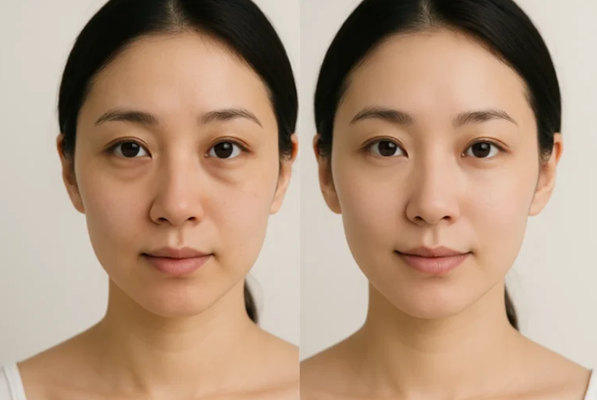
PRP under eyes treatment: Natural rejuvenation and cost guide
The delicate skin of the infraorbital region requires an exceptionally precise therapeutic approach due to its minimal thickness and high susceptibility to fluid retention. While traditional dermal fillers are highly effective for re-volumizing the cheeks or jawline, placing them directly beneath the eyes can sometimes lead to visible swelling, tyndall effect, or chronic puffiness.
Consequently, advanced aesthetic medicine relies heavily on autologous therapies that utilize the patient’s own biological resources to thicken the dermis and improve vascular health. This natural methodology targets dark circles, fine structural lines, and mild hollows without adding heavy artificial volume. Patients exploring this biological rejuvenation technique will find that the overall prp under eyes cost reflects the specialized clinical equipment, medical expertise, and multi-session protocols required to achieve stable, long-term results.
The biological mechanism of platelet-rich plasma therapy
Platelet-rich plasma therapy works by harnessing the concentrated healing factors present within the human bloodstream. The clinical process begins with a standard blood draw from the patient’s arm, which is immediately placed into a specialized medical centrifuge to separate the blood components. This separation concentrates the platelets, which are rich in essential growth factors responsible for cellular migration, tissue repair, and angiogenesis.
When this purified plasma is meticulously reinjected into the sub-eye area using a fine needle or a blunt-tip cannula, it initiates a powerful regenerative cascade. The surrounding fibroblasts are stimulated to produce fresh collagen and elastin fibers, which gradually thickens the thinned skin structure. This increased dermal density physically masks the underlying dark blood vessels, noticeably reducing the appearance of dark, tired shadows under the eyes.
Key elements influencing the PRP under eyes cost structure
When calculating the financial investment required for this regenerative treatment, patients must consider that autologous cell therapy follows a cumulative clinical logic. A single session can initiate the cellular repair process, but achieving a profound, visible transformation typically requires a structured protocol:
- An initial loading phase consisting of three separate injection sessions spaced four to six weeks apart.
- The use of specialized, high-yield PRP harvesting tubes that maximize platelet concentration per milliliter.
- The integration of advanced injection techniques, such as micro-papular delivery or structural cannula placement.
- Periodic single maintenance treatments scheduled every six to twelve months to sustain the cellular vitality.
Given these medical variables, the prp under eyes cost in premium urban clinics reflects the high standard of safety, the sterility of the closed-loop preparation systems, and the advanced training of the medical practitioner performing the delicate procedure.
What to expect during the treatment session and healing process
The clinical session is relatively swift, typically taking around forty-five minutes from the initial blood collection to the final injections. To ensure maximum patient comfort, a high-strength topical anesthetic cream is applied to the infraorbital skin prior to the treatment. Because the injected fluid consists entirely of the patient’s own plasma, the risk of allergic reaction or systemic rejection is entirely non-existent. Immediately after the procedure, mild redness, swelling, and minor pinpoint bruising are expected reactions due to the high vascularity of the eye area.
This swelling generally peaks within the first twenty-four hours as the plasma fluid is naturally absorbed by the surrounding tissues, leaving the active growth factors behind. Patients can safely resume normal activities shortly after the session, provided they follow strict hygienic guidelines and protect the healing skin from direct UV exposure.
Patient selection criteria and long-term aesthetic outcomes
This autologous treatment is exceptionally well-suited for individuals presenting with genetic dark circles, fine crepiness, or early-stage structural hollowing under the eyes. It is an ideal alternative for those who are prone to lymphatic stagnation and cannot tolerate traditional hyaluronic acid fillers.
The aesthetic improvements from platelet-rich plasma develop gradually, with the first noticeable changes in skin texture and luminosity appearing around three to four weeks post-treatment. As the new collagen matrix matures over the following months, the skin becomes firmer, smoother, and significantly more resilient. This gradual, natural transformation ensures that the eye area looks genuinely refreshed, youthful, and thoroughly well-rested without ever looking artificially altered.